Winter Tire Know-How: When To Swap, Rotate, Or Replace Your Tires
General

When winter weather rolls into Indiana, Ohio, and Michigan, your tires play a major role in keeping you safe on the road. Snow, ice, and freezing temperatures create challenging driving conditions, especially when your tires lack proper traction.
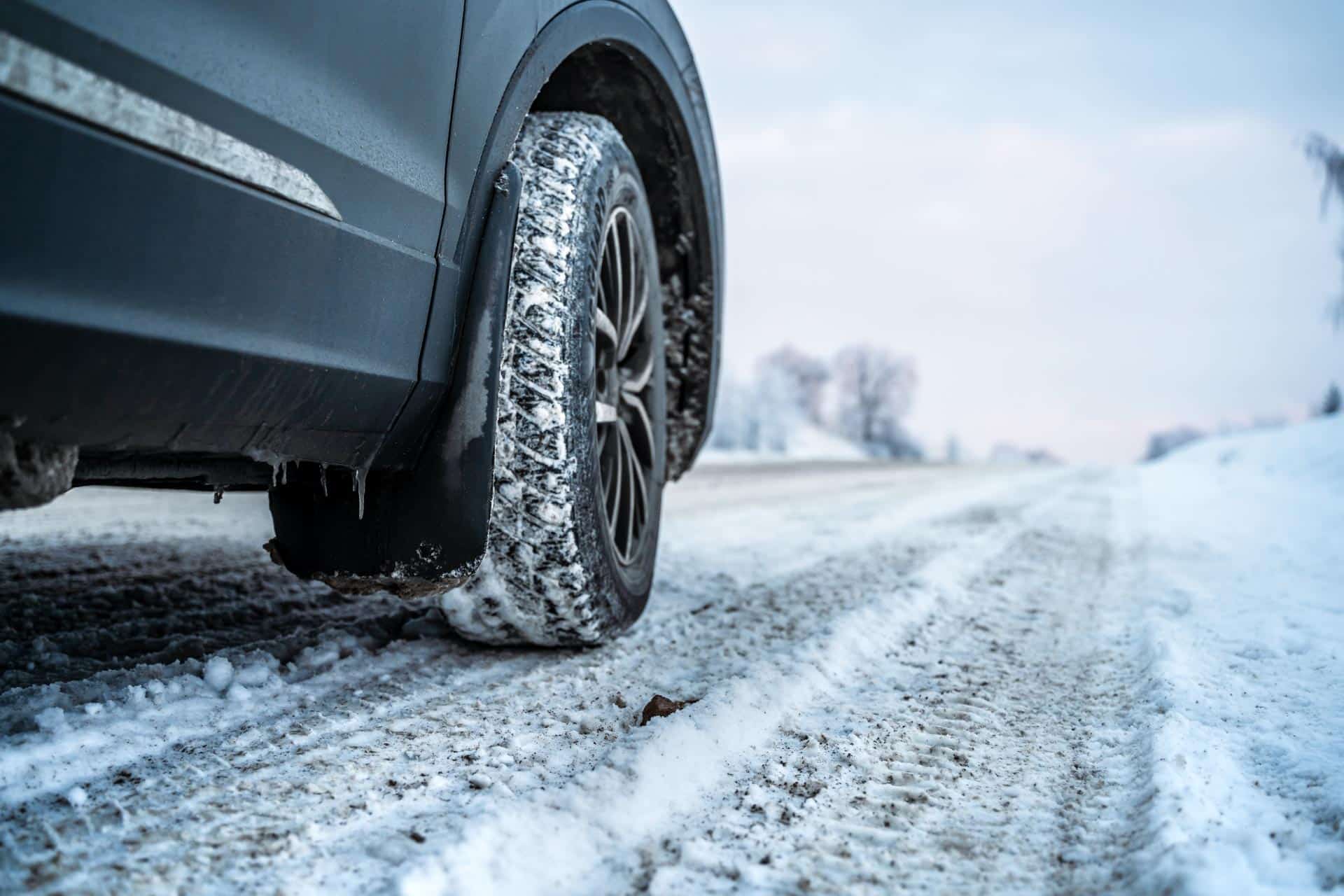
Whether you’re commuting to work or heading out on a holiday road trip, winter tire maintenance helps your vehicle handle whatever the season brings. Knowing when to swap, rotate, or replace your tires can make all the difference.
When Should You Switch To Winter Tires?
Winter tires use specialized rubber compounds that stay flexible in the cold. Their unique tread patterns also help improve traction on snow and ice.
You don’t need to wait for the first snowfall!
Consider switching to winter tires when:
- Temperatures regularly fall below 45°F.
- Snow and icy roads become part of your daily commute.
- Your current all-season tires struggle in winter.
- You frequently travel on rural or untreated roads.
If you live in northern Indiana, Ohio, or Michigan, planning your tire change before winter arrives can help you avoid the seasonal rush.
How Often Should You Rotate Your Tires?
Regular tire rotations help your tires wear evenly and maintain consistent performance. Most vehicles benefit from a tire rotation every 5,000 to 7,500 miles, although your owner’s manual may recommend a different schedule.
Your winter tire maintenance routine should include regular rotations to maximize tire life and performance.
Why Tire Rotations Matter
Rotating your tires offers several benefits:
- Even tread wear: Prevents certain tires from wearing down faster than others.
- Better handling: Helps maintain balanced traction and vehicle stability.
- Longer tire life: Reduces uneven wear that can lead to early replacement.
- Improved performance: Supports consistent handling throughout winter.
Keep in mind that tire rotation patterns depend on your vehicle’s drivetrain and tire type. Directional winter tires may require a specific rotation pattern.
How Do You Know When To Replace Your Tires?
Even with consistent winter tire maintenance, tires eventually wear out. Knowing the warning signs can help you avoid dangerous driving conditions.
Watch for these indicators:
- Low tread depth: Winter tires lose significant snow traction as tread depth decreases. Consider replacements around 5/32 inch, especially before heavy snowfall.
- Visible damage: Cracks, bulges, or cuts can compromise tire safety.
- Uneven wear: Worn patches may indicate alignment, suspension, or inflation problems.
- Poor traction: Sliding or struggling to grip snowy roads can signal worn tires.
- Aging tires: Check tire age and follow manufacturer recommendations, even if the tread looks good.
For comparison, tires reach the legal minimum tread depth in many states at 2/32 inch, but winter driving demands more traction.
5 Simple Winter Tire Maintenance Tips
A few simple habits can help your tires perform better throughout the colder months.
- Check tire pressure monthly and before long trips. Cold temperatures cause pressure to drop.
- Inspect your tires for damage and uneven tread wear.
- Measure tread depth regularly.
- Remove excess snow and ice from your wheels when necessary.
- Store seasonal tires in a cool, dry location away from direct sunlight.
Staying consistent with winter tire maintenance can help you get more miles out of your tires while improving your confidence behind the wheel.
Get Winter-Ready With Witt NAPA
Don’t let worn tires catch you off guard when winter weather arrives! At Witt NAPA, we’re proud to help drivers throughout Indiana, Ohio, and Michigan find quality automotive parts, supplies, and helpful advice.
Whether you’re preparing for your next tire change or gathering supplies for seasonal vehicle care, our knowledgeable team can help you find what you need.
Visit your local Witt NAPA store or shop online today to get started with winter tire maintenance!
Frequently Asked Questions
Can I use all-season tires during winter?
Yes, all-season tires can handle mild winter conditions. However, dedicated winter tires generally provide better traction in freezing temperatures, snow, and ice.
Should I replace all four winter tires at once?
Ideally, yes. Matching all four tires helps maintain balanced traction and handling. If you only replace two, consult a tire professional about proper placement and compatibility.
How often should I check tire pressure in winter?
Check your tire pressure at least once a month and before longer trips. Use your vehicle manufacturer’s recommended pressure when the tires are cold.
When should I switch back to all-season tires?
Switch back when temperatures consistently stay above 45°F. Warmer pavement can accelerate wear on winter tires.
You May Be Interested In:

Fall Car Care Guide: Preparing For Cooler Weather And Wet Roads
2 months ago by Witt NAPA

How To Extend The Life Of Your Car’s Transmission
3 months ago by Witt NAPA

Seasonal Safety Checklist: How to Maintain Your Vehicle’s Cooling System
4 months ago by Witt NAPA

Spring Vehicle Refresh: Post-Winter Maintenance Tips for a Smoother Ride
6 months ago by Witt NAPA


